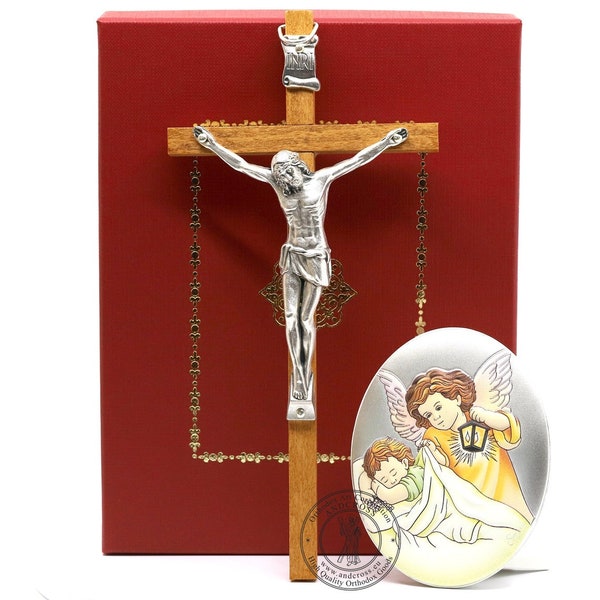
In the realm of spiritual traditions and thoughtful giving, the concept of an orthodox christian gift holds a uniquely profound significance. It goes far beyond the simple act of presenting an object, embodying instead a deep sense of reverence, faith, and intentionality. Rooted in centuries of Orthodox Christian practice, such gifts are chosen not merely for their aesthetic value but for their ability to inspire, guide, and strengthen the spiritual life of the recipient.
An orthodox christian gift is often closely connected to the sacred traditions of the Church. These gifts reflect theological meaning, cultural heritage, and devotional practice, making them deeply personal and spiritually enriching. Whether given during religious celebrations, personal milestones, or moments of spiritual need, these offerings serve as reminders of faith and the enduring presence of divine grace in everyday life. They carry a message that transcends material value, emphasizing the importance of spiritual growth and connection.
One of the most distinctive aspects of an orthodox christian gift is its symbolic nature. Many such gifts are imbued with layers of meaning that resonate within the broader context of Orthodox theology. For example, icons are perhaps the most recognizable and cherished gifts within this tradition. These sacred images are not simply decorative but are considered windows into the divine, inviting contemplation and prayer. Similarly, crosses, prayer ropes, and religious books all serve specific spiritual purposes, each contributing to the life of devotion in meaningful ways.
The act of selecting a gift within this tradition requires thoughtfulness and understanding. It is not merely about choosing something beautiful or valuable but about discerning what will most effectively support the spiritual journey of the recipient. This might involve considering their personal stage of faith, their devotional practices, or the particular challenges they may be facing. In this way, the gift becomes a reflection of care and attentiveness, demonstrating a deep respect for the recipient’s spiritual life.
Craftsmanship also plays a significant role in the value of these gifts. Many Orthodox Christian items are created using traditional methods that have been preserved over generations. Artisans often approach their work with a sense of devotion, viewing their craft as a form of service. The materials used, whether wood, metal, or fabric, are carefully selected, and the processes involved are often time-intensive and meticulous. This dedication ensures that each piece carries not only aesthetic beauty but also a sense of authenticity and spiritual integrity.
In addition to their personal significance, these gifts often hold communal and cultural importance. They are frequently exchanged during major religious celebrations, reinforcing bonds within families and communities. The sharing of such gifts becomes a way of expressing unity in faith, creating a shared experience that strengthens relationships and fosters a sense of belonging. In this context, the act of giving takes on a collective dimension, reflecting the interconnected nature of the Orthodox Christian community.
The presence of these gifts in daily life serves as a constant reminder of spiritual values. Placed in homes, worn as personal items, or used in prayer, they become integrated into the rhythm of everyday existence. This integration helps to cultivate a sense of mindfulness and awareness, encouraging individuals to remain connected to their faith even amidst the demands of modern life. The physical presence of the gift acts as a gentle prompt, inviting moments of reflection and devotion.
In contemporary times, the appreciation for such meaningful gifts continues to grow, extending beyond strictly religious contexts. Many people are drawn to their timeless beauty, symbolic depth, and sense of tranquility. This broader appeal does not diminish their spiritual significance but rather highlights their universal capacity to inspire and uplift. As a result, the tradition of giving within this framework remains vibrant and relevant, adapting to changing circumstances while preserving its essential values.
The emotional impact of receiving such a gift can be profound. It conveys a message of care, respect, and spiritual solidarity, creating a sense of connection that goes beyond words. For many, it becomes a cherished possession, associated with meaningful moments and relationships. Over time, these items often acquire additional layers of significance, becoming part of personal and family histories that are passed down through generations.
Ultimately, the concept of an orthodox christian gift represents a harmonious blend of faith, tradition, and human connection. It reflects a way of giving that prioritizes meaning over materialism, emphasizing the importance of spiritual well-being and relational depth. Through thoughtful selection, careful craftsmanship, and heartfelt intention, such gifts continue to serve as powerful expressions of devotion and love.
In a world that often emphasizes speed and superficiality, the enduring value of these gifts lies in their ability to slow us down and draw us closer to what truly matters. They remind us of the importance of faith, the beauty of tradition, and the power of giving with purpose. As expressions of spiritual care and connection, they stand as lasting symbols of a rich and meaningful heritage that continues to inspire and guide those who encounter it.